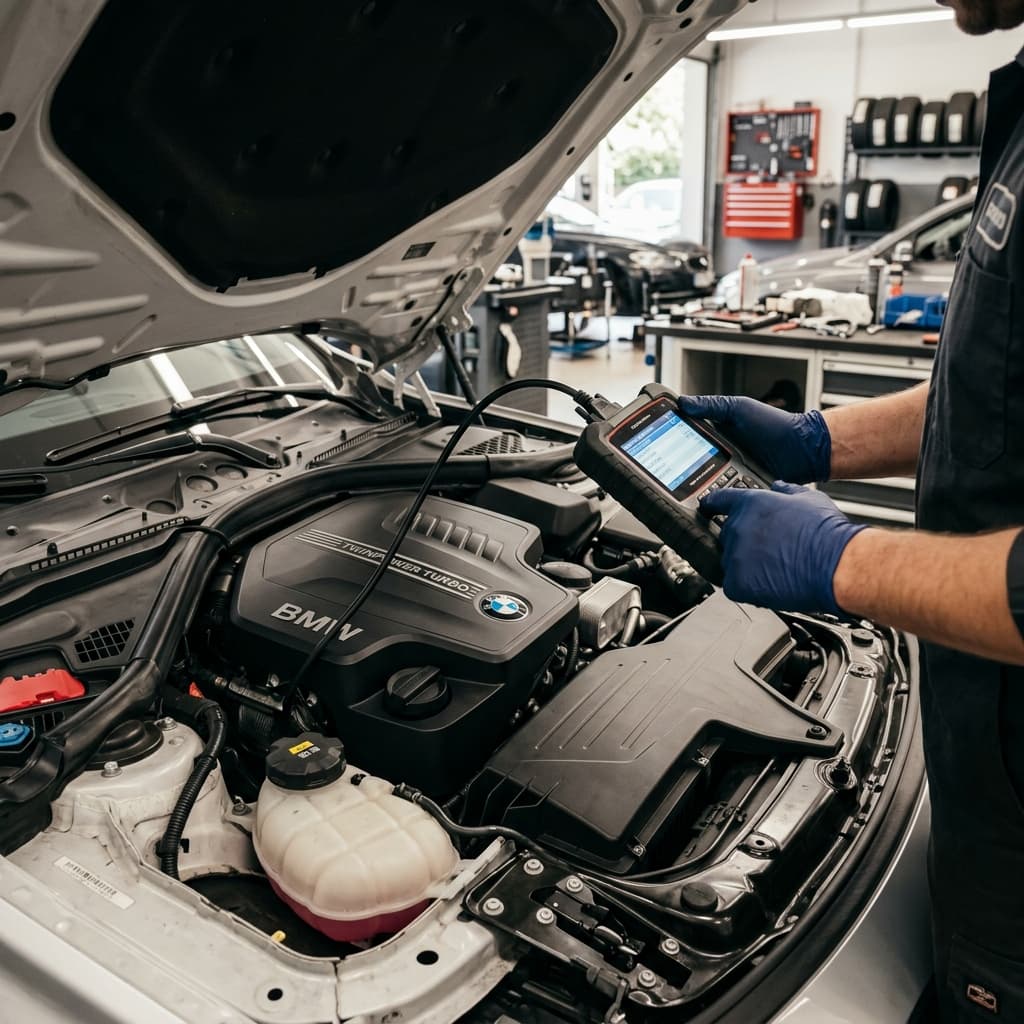
The Issue at Hand
When driving a premium European vehicle like the BMW 3-Series, drivers expect a seamless blend of performance and reliability. However, complex engineering occasionally requires critical updates. The National Highway Traffic Safety Administration (NHTSA) has highlighted a significant safety recall concerning the Positive Crankcase Ventilation (PCV) valve heater in several BMW models, including the widely popular 3-Series.
The PCV system is crucial for your engine's health. It routes unburned fuel and exhaust gases back into the intake manifold to be burned off, reducing emissions and preventing crankcase pressure buildup. To prevent the moisture in these gases from freezing during extremely cold weather, a PCV valve heater is installed. The NHTSA safety recall was issued because the electrical contacts within this specific heater can degrade over time. If the plastic material holding these contacts melts, it can lead to a short circuit. In the worst-case scenario, this electrical short can increase the risk of an engine compartment fire, even when the vehicle is not in operation.
Symptoms to Watch Out For
While this is a preventative recall, it is vital to recognize potential warning signs of a failing PCV system or an electrical short in the engine bay. If you smell burning plastic or notice smoke originating from the engine compartment, safely pull over immediately and turn off the ignition. Furthermore, a failing PCV valve (even without the heater issue) can present as a rough idle, unexpected engine misfires, a noticeable decrease in fuel economy, or a whistling sound coming from the engine block. A sudden triggering of the Check Engine Light (CEL) should always be scanned immediately.
How DIYDASH Recommends Handling This
First and foremost, safety recalls issued by the NHTSA and authorized by the manufacturer are typically repaired free of charge at a certified dealership. Your absolute first step should be entering your Vehicle Identification Number (VIN) into the DIYDASH diagnostic search bar or directly on the NHTSA website to confirm if your specific vehicle falls under this active recall. If your VIN is flagged, schedule an appointment with your local dealer immediately.
However, if your vehicle is out of warranty, not covered by the recall, and you are diagnosing a standard PCV valve failure on your own, the replacement process requires patience and precision. Working on European engines demands the right approach, as the intake manifold often needs to be removed or loosened to access the PCV components located beneath it. This is not a project for improvised tools.
Final Thoughts from the Garage
Ignoring a safety recall is never an option, especially one concerning electrical integrity within the engine bay. European engineering is highly precise; it rewards meticulous maintenance and heavily punishes neglect. Always use the right tools, verify your parts, and never compromise on safety. Enter your VIN on our homepage today to ensure your vehicle is safe for the road.